

Exploring English Translations for Logo Design: A Comprehensive Guide
Unlocking the Power of Signage Design: A Comprehensive Guide
Ever walked into a store and wondered how they managed to make you feel so welcome? Or maybe you've been baffled by a sign that seemed to be written in a secret code? Well, you're not alone. The world of signage design is a fascinating one, and it plays a huge role in how we interact with the world around us. So, let's dive in and uncover the secrets behind effective signage design, shall we?
What is Signage Design?
Signage design is the art and science of creating visual communication tools that convey information, direct people, and influence behavior. It's not just about putting up a few words on a board; it's about understanding the audience, the environment, and the message you want to convey.
Why is Signage Design Important?
Think about it, how many times have you used a sign to find your way around a new place? Or how many times have you been influenced by a sign to make a purchase? Signage design is crucial for businesses, organizations, and even individuals. It's the first impression, the guide, the reminder, and sometimes, the persuader.
Key Elements of Effective Signage Design
Now, let's break down the key elements that make up a great signage design:
Clarity: Your sign should be clear and easy to understand. Avoid jargon and overly complex language.
Consistency: Make sure your sign aligns with your brand identity. Use the same colors, fonts, and style as your other marketing materials.
Visibility: Your sign should be visible from a distance. Use bold colors and large fonts to make it stand out.
Legibility: Ensure that your text is easy to read. Avoid using fonts that are too thin or too stylized.
Relevance: Your sign should be relevant to your audience and the message you want to convey.
Types of Signage
There are many different types of signage, each serving a specific purpose. Here are a few common types:
Directional Signs: These guide people to specific locations, like "Exit" or "Toilets."
Informational Signs: These provide information, like "Hours of Operation" or "Price List."
Decorative Signs: These are used for branding and aesthetic purposes, like "Welcome to Our Store."
Regulatory Signs: These enforce rules and regulations, like "No Smoking" or "Speed Limit 30 mph."
How to Create an Effective Signage Design
Creating an effective signage design is a process. Here are the steps you should follow:
Define Your Goals: What do you want your sign to achieve? Are you trying to direct people, inform them, or sell a product?

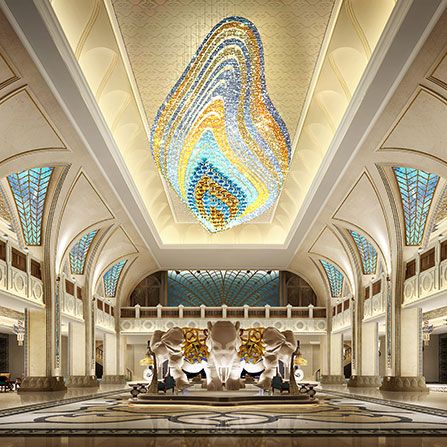
圖片由人和時代CRT標識設計集團提供Understand Your Audience: Who will be seeing your sign? What are their needs and preferences?
Choose the Right Type of Sign: Based on your goals and audience, select the type of signage that will work best for you.
Design Your Sign: Use a clear, consistent, and visually appealing design that aligns with your brand.
Test Your Design: Before finalizing your design, test it to ensure it's effective and meets your goals.
Common Mistakes to Avoid
When designing signage, there are a few common mistakes you should avoid:
Overcrowding: Don't put too much information on your sign. Keep it simple and to the point.
Using the Wrong Fonts: Choose a font that is easy to read and fits your brand identity.
Ignoring Color Theory: Use colors that complement each other and make your sign stand out.
Not Considering the Environment: Make sure your sign is visible and legible in the environment where it will be placed.
Case Studies: Successful Signage Designs
Let's take a look at a few examples of successful signage designs:
Apple Store: Apple's signage is minimalistic and elegant, reflecting the brand's sleek design aesthetic.
McDonald's: McDonald's uses bright colors and bold fonts to make their signs stand out and attract attention.
Google: Google's signage is simple and clean, using their signature color scheme to maintain brand consistency.
Conclusion
Signage design is a powerful tool that can make a big impact on how people perceive your brand or business. By following the principles of effective signage design and avoiding common mistakes, you can create signs that are clear, consistent, and visually appealing. So, the next time you're thinking about putting up a sign, remember these tips and watch your message shine!
And that's a wrap! If you found this guide helpful, don't forget to share it with your friends and colleagues. Happy designing!

人和時代設計
品牌設計、VI設計、標識設計公司